
AI Fake News Compressing Crisis Decisions for Travel Companies: Suzanne Sangiovese
Travel Daily Media (TDM): During the Middle East disaster, how did disinformation and AI-generated pretend information complicate decision-making for journey administration corporations?
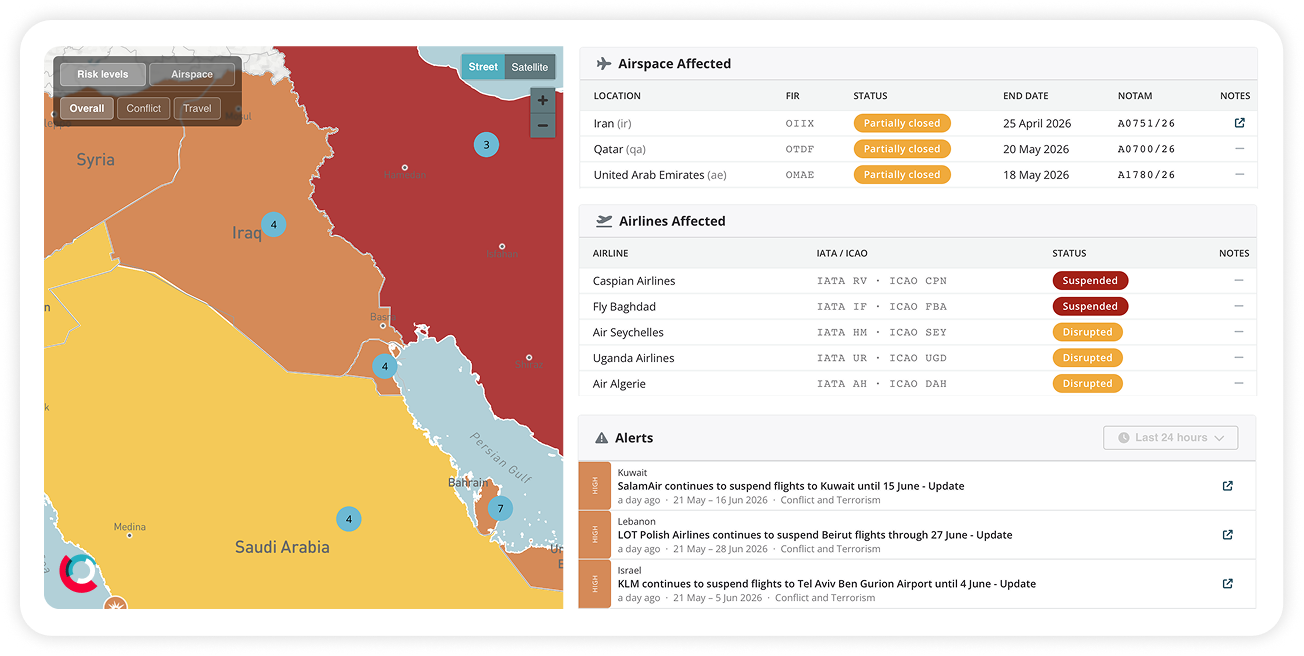
Suzanne Sangiovese (SS): As the battle escalated, journey administration corporations (TMCs) confronted rapid and visual operational strain. However, a much less seen but equally important problem was the data atmosphere surrounding the disaster. The best complication for TMCs wasn’t merely figuring out deceptive content material; somewhat, it was the impact that misinformation had on the pace of decision-making. During the disaster, operational situations modified quickly as a result of airspace closures, rerouting, and cancellations. At the identical time, social media was inundated with AI-generated photos, recycled footage, and unverified claims.
This scenario exemplifies how a disaster can create a difficult operational atmosphere, as journey selections typically can’t wait for full certainty. TMCs nonetheless have to advise purchasers, assess traveller publicity, and make routing selections in actual time. The problem is that misinformation hinders the verification course of exactly when organisations have to act swiftly.
This is a matter that the business will more and more face. In high-pressure conditions, entry to verified data together with adequate context and evaluation is essential for making assured selections.
TDM: Why is verified journey danger intelligence changing into as vital as operational response in fulfilling responsibility of care tasks at present?
(SS): The business as soon as confronted a shortage of knowledge; now it grapples with data overload. During main occasions, organisations can entry huge knowledge however typically wrestle to shortly confirm what’s related, correct, and operationally helpful to help decision-making. While operational responses stay important, they’re reactive. Verified journey danger intelligence permits organisations to make well-informed selections earlier than points escalate, as occasions unfold and instantly afterwards.
During crises, TMCs have labored tirelessly, managing name volumes considerably above regular, rerouting passengers, and sustaining consumer communication across the clock. This effort is commendable. However, counting on unreliable intelligence for operational energy could be dangerous, as selections are made quickly based mostly on incomplete or inaccurate data. Today, the effectiveness of operational response more and more is dependent upon the standard of the intelligence it depends on.

TDM: In a fast-moving disaster, how can TMCs distinguish between genuine advisories and convincing pretend data earlier than making routing or security selections?
(SS): Verification processes can’t be improvised as soon as a disruption begins. When purchasers require solutions and operational groups are underneath strain, there isn’t a time to guage the credibility of sources from scratch. Trusted sources, escalation pathways, and verification workflows have to be established earlier than a disaster begins and built-in into operational processes.
The most important problem organisations face is how one can shortly validate and corroborate data to take acceptable motion. Those who successfully navigate the early hours of a disaster have already dedicated to dependable sources earlier than the disaster hits, similar to authorities advisories, credible human-verified intelligence suppliers, and direct communications from carriers.
An efficient operational verification course of is essential in these conditions. For occasion, if an airspace closure happens, finest observe is to validate that data towards communications from airways and verified intelligence sources earlier than making rerouting selections.
The identical precept applies to safety incidents that flow into on social media. The operations group ought to chorus from appearing on unverified reviews till they are often corroborated via trusted channels. This ensures that organisations are making selections based mostly on verified data and might confidently help their actions in crucial conditions.
Ultimately, the organisations that carry out finest throughout crises are people who have already outlined trusted sources, established escalation workflows, and set verification thresholds earlier than disruptions happen.

TDM: What have been among the greatest classes the journey business realized from the primary 72 hours of the battle, significantly round data reliability?
(SS): One of the important thing classes from the primary 72 hours was that many disaster administration fashions have been designed for a slower data atmosphere than what the business presently faces. Many organisations had quietly assumed that their present disaster playbook would suffice; nonetheless, the operational situations and knowledge flows have been evolving rather more quickly than conventional response fashions may accommodate.
Today, journey danger administration operates in real-time. Situations can change whereas journey managers are nonetheless reviewing the preliminary reviews. For occasion, airspaces can shut throughout a area with little discover. In this atmosphere, many organisations find yourself making selections based mostly on the quickest data obtainable somewhat than essentially the most dependable.
Misinformation is only one side of the problem. A broader lesson is that decision-making timelines have basically compressed. Crisis working fashions should now help verification, intelligence gathering, and operational response concurrently, somewhat than as separate sequential steps.
The organisations that carried out finest through the disaster have been people who may filter out noise, effectively validate developments, and translate advanced conditions into clear steerage for travellers and purchasers.
TDM: As AI-driven misinformation turns into extra refined, how ought to TMCs rethink their disaster preparedness and intelligence infrastructure?
(SS): The business has made important progress in transitioning from static danger frameworks to real-time intelligence. However, the working atmosphere is evolving as soon as once more. Simply gaining access to data is not adequate. As AI-generated misinformation turns into extra refined, the true differentiator is now the flexibility to validate data, assess its credibility, and shortly translate developments into dependable operational steerage.
Travel Management Companies (TMCs) ought to think about intelligence sourcing as an important operational competency somewhat than only a secondary help operate. It is crucial to determine verification processes, trusted supply frameworks, and escalation workflows earlier than crises come up. These processes needs to be built-in instantly into the programs that groups use day by day, together with reserving platforms, traveller monitoring instruments, and communication workflows.
The business is shifting past a sole give attention to pace. The actual differentiator now lies in making certain that the intelligence supplied is contextualised and operationally actionable throughout quickly evolving conditions.

TDM: Why ought to responsibility of care and trusted intelligence programs be handled as a business-critical funding somewhat than a reactive measure throughout emergencies?
(SS): The responsibility of care and trusted intelligence programs ought to not be considered simply reactive instruments for disaster administration. They are more and more changing into important elements of a corporation’s core operational resilience infrastructure.
Disruptions are occurring extra steadily, changing into extra interconnected, and producing extra data than ever earlier than. During main occasions, organizations are anticipated to make speedy selections relating to traveler security, operational continuity, and communication, typically whereas the scenario continues to be growing. People in a disaster don’t want extra data; they want the fitting data on the proper time.
The business is beginning to acknowledge that responsibility of care isn’t solely measured by how organizations reply after vacationers are affected. It can be evaluated based mostly on preparedness: the effectiveness of their intelligence processes, the pace of their communication, and their skill to supply clear steerage earlier than uncertainty escalates into disruption. Duty of care encompasses extra than simply traveler security; it additionally impacts operational resilience, worker belief, and reputational danger.
Ultimately, trusted intelligence programs have gotten crucial to enterprise operations as a result of they help extra than simply disaster response. They foster continuity, improve traveler confidence, and allow knowledgeable decision-making all through the journey program throughout unsure instances. In at present’s panorama, the place crises are not uncommon occasions, this functionality have to be established earlier than a disaster arises, somewhat than being developed within the midst of 1.